Creating Sustainable Meal Prep Systems
Meal prepping can be an effective way to save time, reduce food waste, and promote healthier eating habits. This article explores how to establish sustainable meal prep systems that fit into your daily life.
Understanding the Basics of Meal Prep
Meal prep involves preparing meals in advance, enabling you to have ready-to-eat options throughout the week. According to industry experts, this approach can help you maintain a healthier diet and save time in busy lifestyles. The principle behind meal prep is to plan and organize your meals to prevent impulsive choices that often lead to unhealthy eating.
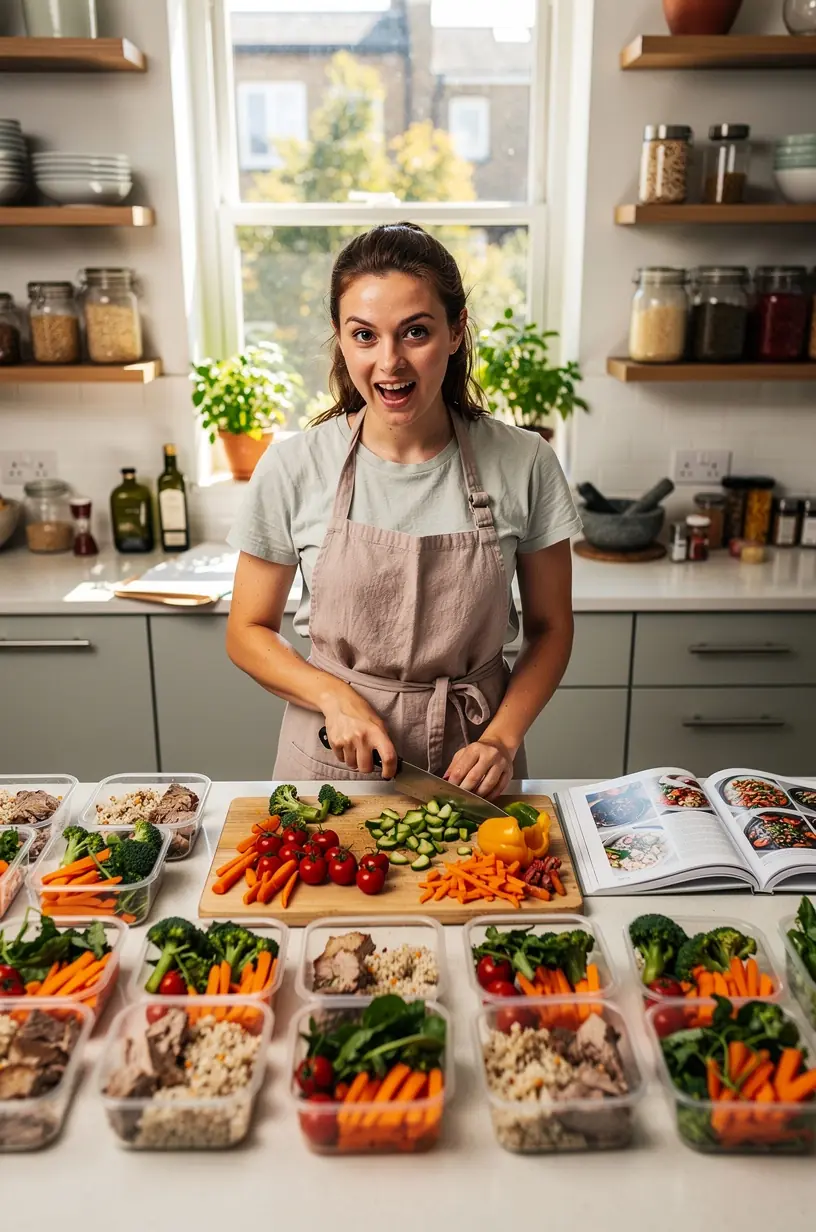
"Research indicates that individuals who meal prep are more likely to consume a balanced diet and can save up to 4 hours a week in meal preparation time."
Establishing Your Meal Prep System
Creating a sustainable meal prep system requires careful planning and execution. Here are some steps you can follow:
- Define Your Goals: Consider what you want to achieve—whether it’s healthier eating, time savings, or a reduction in food waste.
- Choose a Prep Day: Typically, setting aside a specific day for meal prep, like Sunday, allows you to plan your meals for the week ahead.
- Create a Menu: Plan your meals based on what you enjoy and consider incorporating seasonal ingredients for freshness and cost-effectiveness. Many users report that having a set menu reduces decision fatigue and enhances adherence to their meal plan.
- Shop Smart: Make a grocery list based on your menu to avoid impulse purchases. Research suggests that shopping with a list can help reduce spending and food waste.
- Invest in Containers: Use reusable containers to store your meals. Experts recommend using airtight containers to keep food fresh and minimize spoilage.
Implementing Your Meal Prep
Once your system is established, it’s time to implement it effectively:
- Batch Cooking: Prepare multiple servings of a dish at once. This method not only saves time but also allows for portion control and variety in your meals.
- Store Properly: Label containers with dates to track freshness. The typical shelf life for cooked meals in the refrigerator is around 3-4 days, while frozen meals can last up to 3 months.
- Stay Flexible: Be open to adjusting your meal prep based on what works best. Not every week will be the same, and that’s okay.
Acknowledging Challenges and Limitations
While meal prepping can be beneficial, it does involve a time commitment and a degree of effort. Many users report that it typically takes 2-4 weeks to establish a routine that feels effortless. It’s important to note that meal prepping may not be ideal for everyone, particularly those with varying schedules or dietary restrictions. Understanding these limitations can help you tailor your approach to fit your lifestyle.
Conclusion
Creating a sustainable meal prep system can significantly enhance your daily life by promoting healthier eating habits and saving time. By following the steps outlined above and acknowledging the challenges, you can develop a reliable meal prep strategy that works for you. Remember, the goal is to create a system that fits your needs and allows for flexibility as your lifestyle changes.